Introduction
Searching for a first embroidery machine as a growing commercial embroidery or print shop is different from shopping as a hobbyist. The real risk is not brand name - it is buying a unit that cannot keep up once multi-color orders, hats, and rush turnarounds arrive. Under-buy today and you upgrade in six months, losing both capital and production time.
Dr. DTG has spent 23+ years matching machines to shops that are scaling production or preparing for multi-head. This guide cuts past consumer marketing and maps commercial-ready options - Happy Japan Commercial Embroidery Machines and the Xtreme Tech Pro Series (XTPro 1401Ci, XTPro 1501 IPX, XTPro 1502IPX, XTPro XLS) - to business outcomes: higher output, less downtime, hat capability, and field-technician support.
Key Takeaways
- Hobby single-needle machines teach skills; commercial multi-needle machines earn revenue under daily production load
- Start with a commercial field size and needle count that supports left-chest logos, multi-color work, and growth into jackets and caps
- Isacord thread, needles, backings, and bobbins belong in your setup budget from day one
- Warranty, hands-on training, and certified repair protect uptime more than a lower sticker price
- Pair your first commercial head with a dealer who can train operators and stock supplies for long-term partnership
What Growing Shops Should Know Before Buying
Embroidery-Only vs Combination Machines
Consumer combo sewing/embroidery units save space for home users. Commercial shops focused on logos, uniforms, and decorated apparel almost always win with embroidery-dedicated multi-needle platforms - larger fields for the capital, tubular/cap capability, and duty cycles built for production.
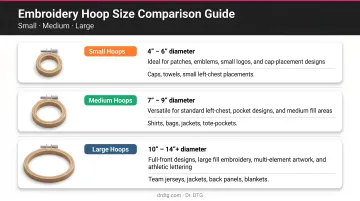
Hoop Size and Field Reality
| Hoop / Field | Business Fit |
|---|---|
| 4" x 4" | Learning and tiny emblems only - outgrown fast under real orders |
| 5" x 7" | Practical minimum for left-chest and mid-size commercial logos |
| 6" x 10"+ | Garments, larger layouts, and fewer re-hoopings |
Single-Needle vs Multi-Needle
Single-needle machines force manual color changes - a bottleneck once order volume rises. Multi-needle machines automate color sequencing so operators spend time hooping and QC, not rethreading. For shops planning real production, multi-needle is the starting point. See single-head vs multi-head when you are ready to scale heads, and single vs multi-needle for the needle decision.
Best Machines for Shops Entering Commercial Production
Consumer names (Brother PE535, PE800, SE1900, Janome Memory Craft) serve hobby use. Commercial embroidery and print shops that need consistent output should evaluate production platforms instead.
Happy Japan HCH Plus (7-Needle) - Compact Commercial Entry
Built for space-limited shops taking paid work without a factory footprint:
- Automatic multi-color handling for logos and monograms
- Flat goods, caps, finished garments, and 3D puff capability
- Japanese commercial build longevity
- Pre-purchase demo and hands-on training through Dr. DTG
Happy Japan HCD3E-X1501 (15-Needle) - Growing Commercial Output
When design complexity and volume rise:
- 15 needles for multi-color uniforms and corporate logos without mid-job rethread
- Cap and tubular work for high-demand headwear revenue
- Trade-in path when you step toward multi-head
- Same Happy Japan Commercial Embroidery Machines reliability shops run for decades
Xtreme Tech Pro Series XTPro 1401Ci (14-Needle) - Entry Commercial Workhorse
The XTPro 1401Ci is designed for shops leaving hobby equipment behind:
- 14 needles for most production logos without constant color stops
- Path into the broader Xtreme Tech Pro Series (XTPro 1501 IPX, XTPro 1502IPX, XTPro XLS) as volume grows
- 7-year warranty option, financing, and certified repair with OEM parts
- Field-technician and depot support so downtime stays short
Xtreme Tech Pro Series Step-Ups
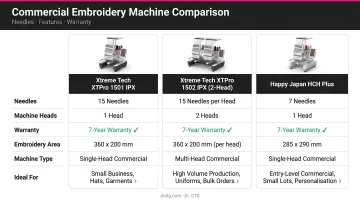
- XTPro 1501 IPX - 15-needle single-head with Independent Presser Foot Control for mixed materials and dense work
- XTPro 1502IPX - 2-head production when you need to double simultaneous output
- XTPro XLS - large-area placements for oversized commercial jobs
| Happy HCH Plus | Happy HCD3E-X1501 | XTPro 1401Ci | |
|---|---|---|---|
| Needles | 7 | 15 | 14 |
| Best For | Compact commercial start | Growing multi-color volume | Entry commercial duty cycle |
| Cap Embroidery | Yes | Yes | Yes |
| 3D Puffy Foam | Yes | Yes | Yes |
| Warranty Option | Yes | Yes | 7-Year option |
| Financing / Training | Yes | Yes | Yes |
Book a demo or consult a technician at 714-770-0969 - or visit drdtg.com - for a recommendation matched to your order mix and growth plan.
Features That Protect Margin
Field Size and Operator Interface
Larger commercial fields reduce re-hooping and registration risk. Color touchscreens, clear threading paths, and automatic thread cut keep operators productive on long runs.
Design Transfer
USB is baseline; wireless/LAN transfer speeds art-to-head workflow. Confirm DST and your digitizing stack before you buy.
Thread, Needles, Backings, Bobbins
Output quality is half machine, half consumables:
- Isacord 40-weight polyester - commercial standard; Dr. DTG stocks the full 390-color catalog as USA Master Distributor
- Needles matched to fabric and thread weight
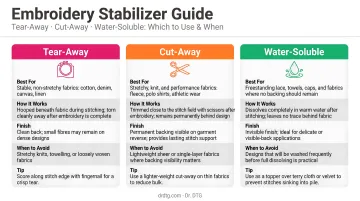
- Backings - tear-away for stable wovens; cut-away for knits and dense logos; water-soluble toppings where needed
- Bobbins - embroidery-specific thread and correct cases for stable tension
Shops running DTG alongside embroidery can also order DTG inks and pre-treatments through the same long-term supply partnership.
Conclusion
The best "beginner" machine for a commercial shop is the first unit that can take paid multi-color work, hats, and growth without forcing an emergency upgrade. Happy Japan Commercial Embroidery Machines and the Xtreme Tech Pro Series (XTPro 1401Ci, XTPro 1501 IPX, XTPro 1502IPX, XTPro XLS) are built for that path - with hands-on training, certified repair, and Isacord supplies behind them.
Dr. DTG has partnered with growing shops for 23+ years. Book a demo, consult a technician, or order supplies at 714-770-0969 or drdtg.com.
Frequently Asked Questions
How much does a commercial-ready embroidery machine cost?
Hobby units start near $500. Business-ready multi-needle platforms typically start in the multi-thousand range and scale with needle count and heads. Always quote machine + training + warranty + Isacord thread and backings together.
What machine do I need to start a commercial embroidery business?
A commercial multi-needle head - for example Happy Japan HCH Plus / HCD3E-X1501 or Xtreme Tech Pro Series XTPro 1401Ci / XTPro 1501 IPX - plus certified repair access and production supplies.
What is the difference between embroidery-only and combo machines?
Combo machines add sewing for home users. Commercial shops focused on logos and apparel decoration usually get more production field and duty cycle from embroidery-dedicated multi-needle platforms.
What hoop size should a new commercial shop start with?
Avoid locking into 4"x4" for production. Plan for commercial left-chest and larger placements, and buy field size for the jobs you intend to win.
Do I need special thread for machine embroidery?
Yes. Commercial multi-needle work runs best on embroidery-grade polyester such as Isacord 40wt, with matched needles, backings, and bobbins to cut breaks and rework.